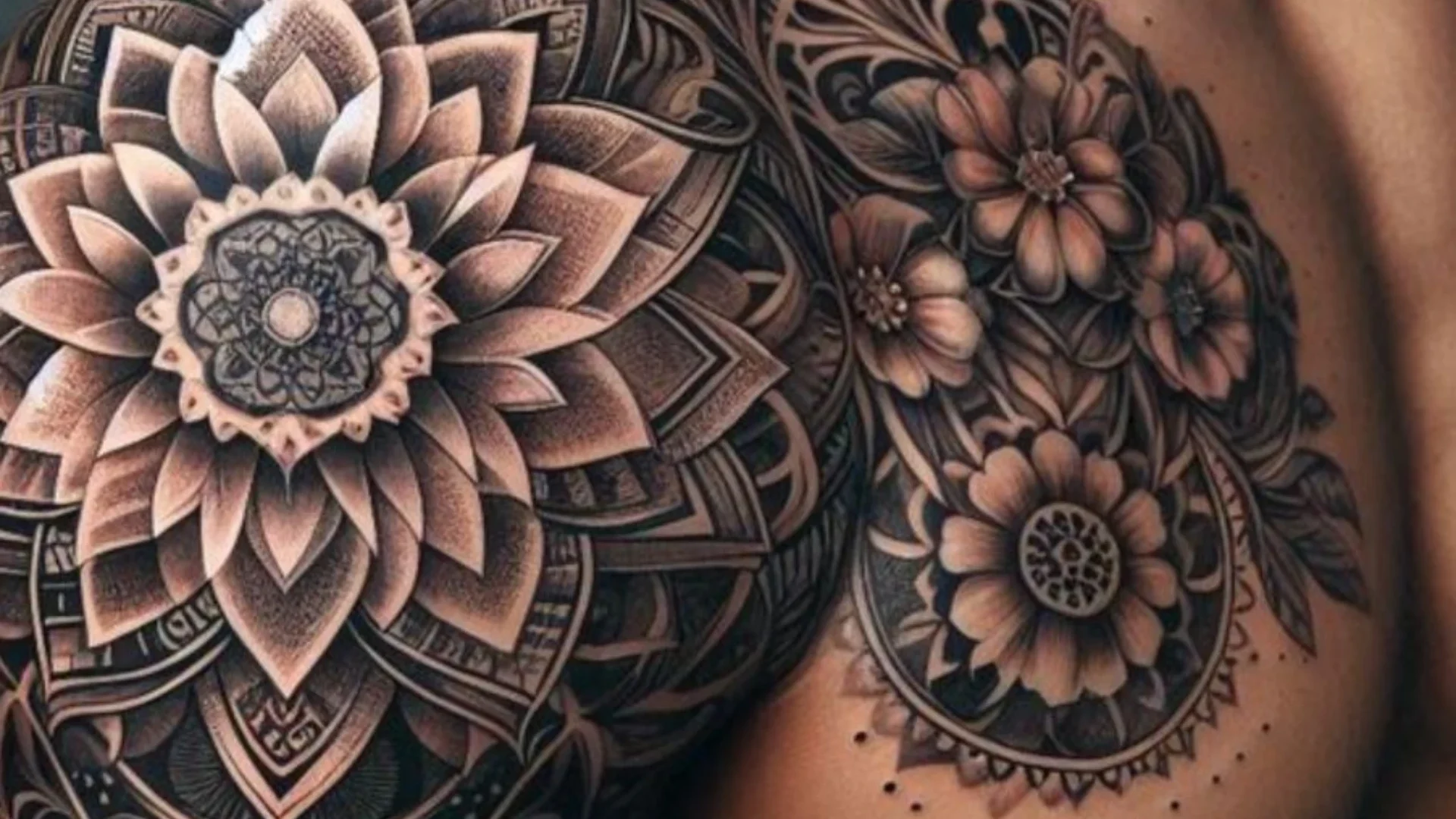
A Bali custom tattoo does not begin with ink, it begins with intention. Unlike pre-made designs, custom tattoos follow a clear creative process that transforms ideas into permanent artwork. Because each step builds on the previous one, understanding this journey helps you appreciate why custom tattoos feel more personal, refined, and lasting.
Below is a closer look at how a Bali custom tattoo comes to life.
1. Consultation Comes First

First, the process starts with a consultation. At this stage, the client and artist discuss ideas, inspirations, and personal meaning. Instead of asking clients to choose from ready-made designs, the artist focuses on listening and understanding.
For example, some clients bring reference images, while others only share emotions or life experiences. As a result, the artist gathers direction without limiting creativity.
Studios that focus on custom work, such as Paradise Ink Bali, treat this stage as essential rather than optional.
2. Concept Development Takes Shape
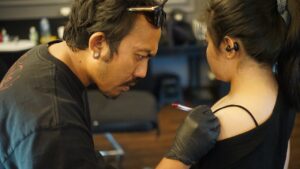
Next, the artist begins developing the concept. At this point, creativity meets structure. The artist considers placement, body movement, and visual balance. Moreover, they evaluate how lines and details will age on the skin over time.
Because every body is different, the artist designs the tattoo specifically to fit the client’s anatomy. Therefore, the result feels natural instead of forced or copied.
3. Design Refinement Ensures Longevity
After building the initial concept, the artist refines the design. This stage often includes adjusting proportions, simplifying details, and strengthening line flow. Meanwhile, the client may provide feedback to ensure the design still feels aligned with their vision.
According to professional tattoo education resources, refining design elements like line weight, placement and composition not only improves how a tattoo looks on the body but also helps ensure it ages gracefully and holds clarity over time.
4. Preparation Leads to Precision
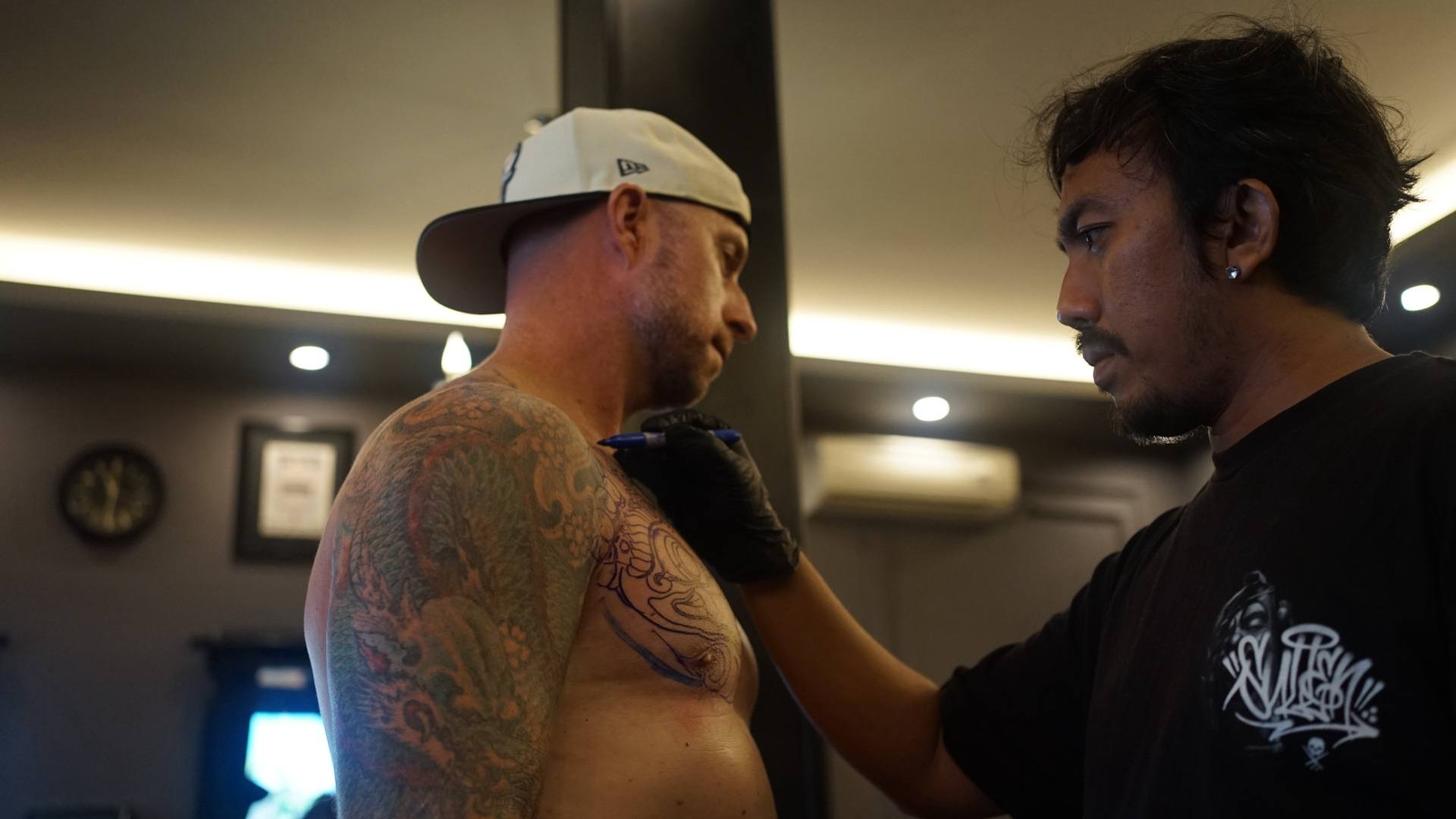
Before tattooing begins, the artist prepares both the design and the skin. They place the stencil carefully and adjust positioning to follow the body’s natural lines. As a result, the tattoo flows better and feels more integrated once finished.
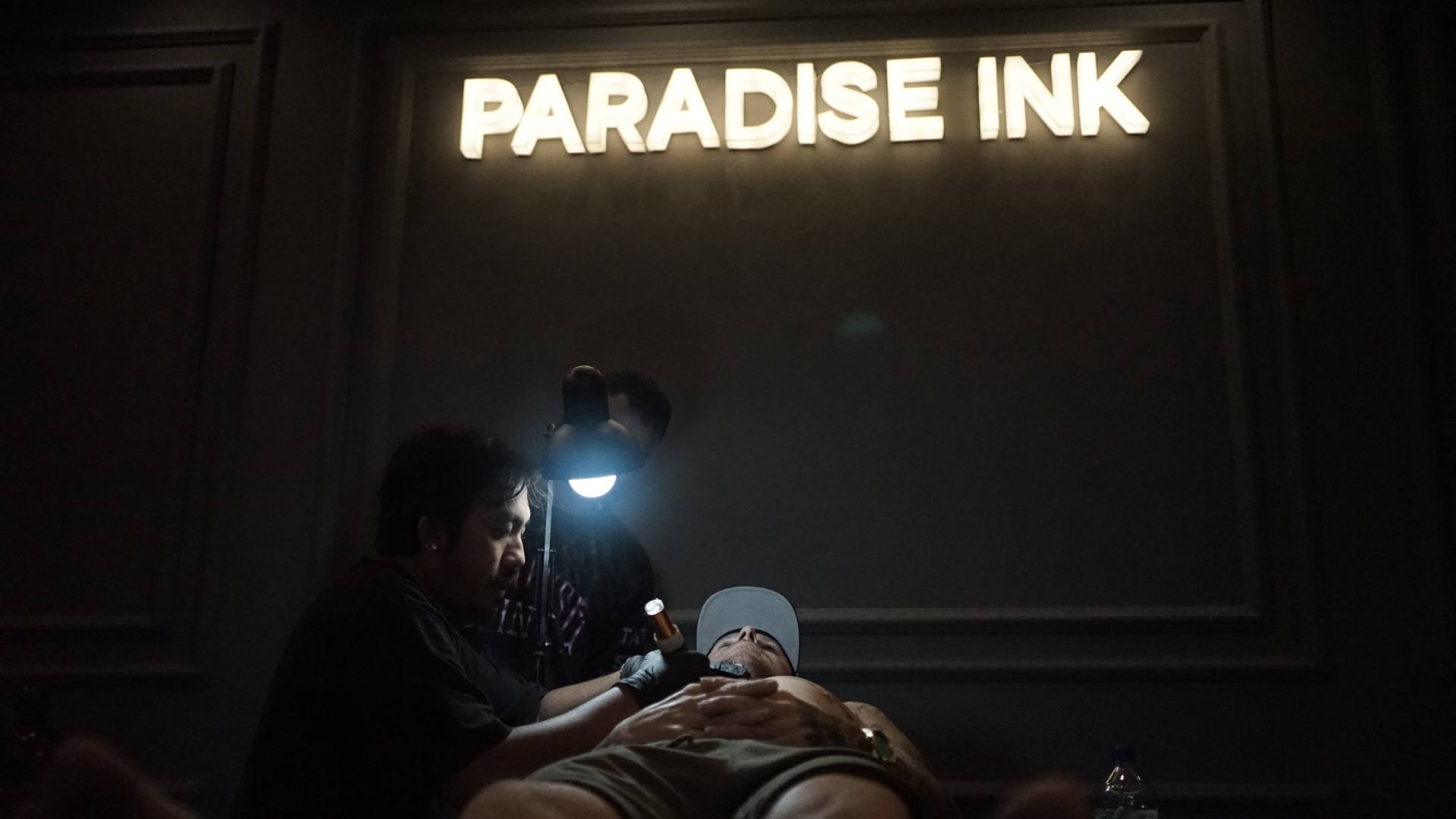
During the session, the artist works with focus and intention. Instead of prioritizing speed, they prioritize consistency, comfort, and accuracy. Because the design is custom, every line requires full attention.
5. Aftercare Completes the Process
Finally, the artist explains aftercare instructions in detail. Proper cleaning, moisturizing, and sun protection directly affect healing results. Therefore, professional studios always guide clients through this final stage.
In addition, many reputable tattoo health resources emphasize that disciplined aftercare protects line quality and color retention. Without it, even the best design can lose its impact.
Why This Process Matters
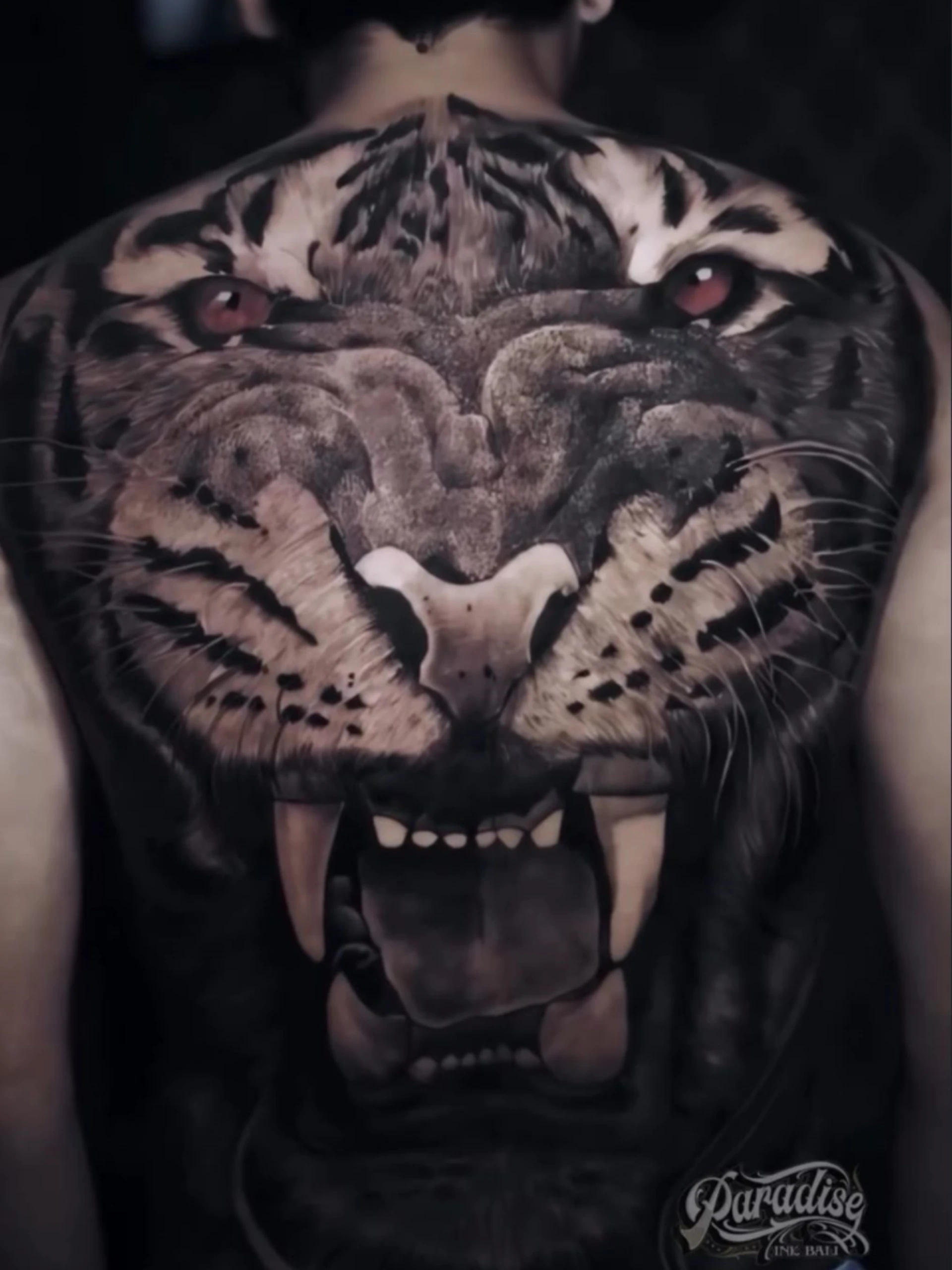
Each step in a Bali custom tattoo creation serves a purpose. Together, they ensure the tattoo reflects personal meaning, strong technique, and long-term quality. Because the artist builds the design from the ground up, the final result feels intentional rather than generic.
Final Thoughts
Inside the process of a Bali custom tattoo creation, you will find collaboration, creativity, and care. From the first conversation to the final healing stage, every decision supports one goal: creating a tattoo that truly belongs to you.
That is why custom tattoos are not just designs, they are experiences crafted to last a lifetime.